
Research Insights
AgriPath is the first comparable long-term study in DAS across multiple countries in both Asia and Africa, involving thousands of farmers. The research design combines social and technical aspects, as well as different research and experimental methods that measure behaviour, reveal psychological mechanisms, and consider social norms and networks that influence adoption of digital advisory services.
Publications

Gender perspectives on mobile phone ownership and use: a case study of smallholder farmers in Uganda
Authors: Mulungu, Kelvin
Year: 2025
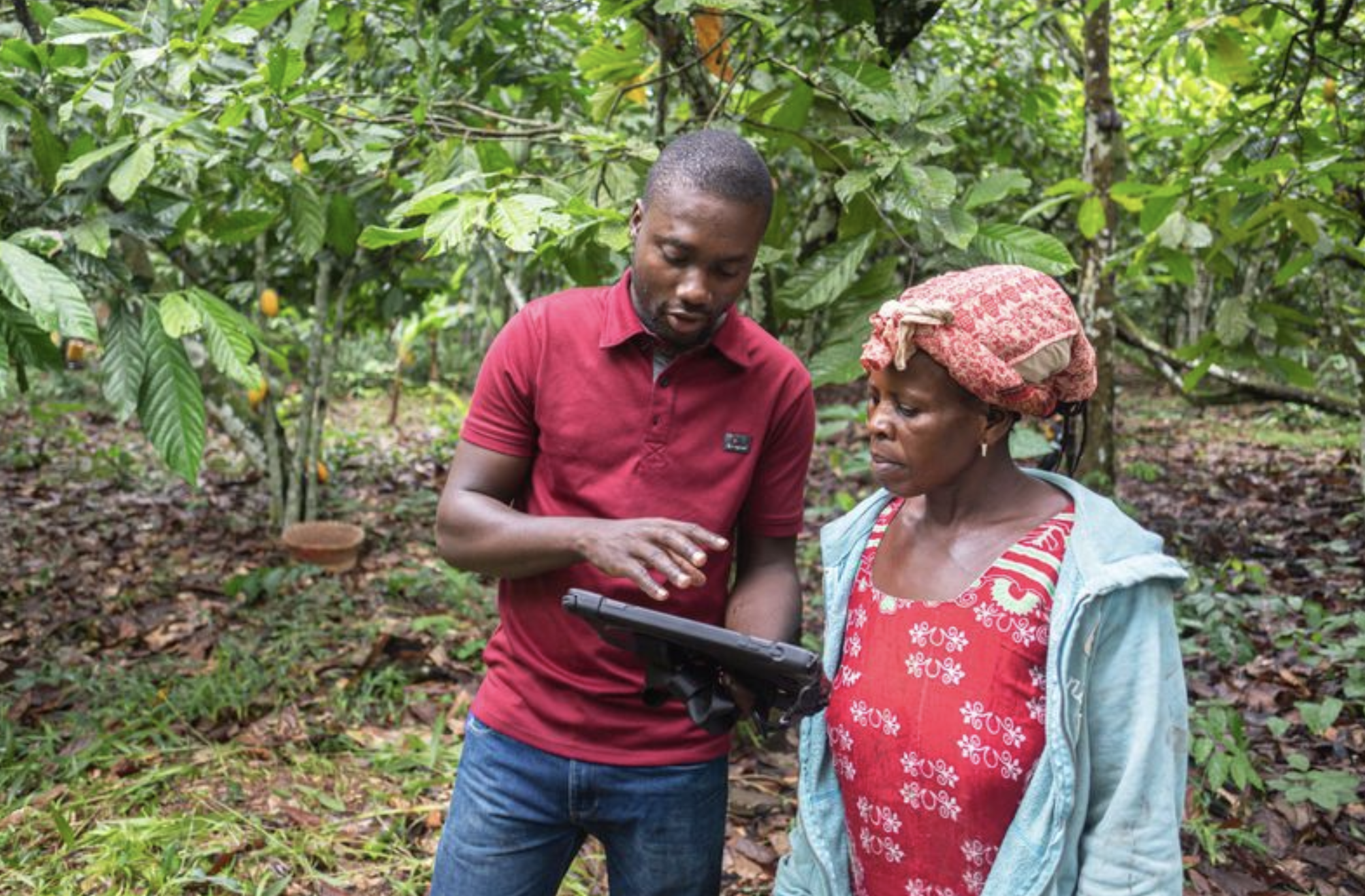
The role of information and communication technologies-based extension in agriculture: application, opportunities and challenges
Authors: K. Mulungu, M. Kassie & M. Tschopp.
Journal: Information Technology for Development
Year: 2025

Adoption of sustainable land and water management practices and their impact on crop productivity among smallholder farmers in sub-Saharan Africa
Authors: C. D. Mangole, C. M. Maina, K. Mulungu, M. Tschopp, N. Harari, R. Suresh, & M. Kassie
Journal: Land Use Policy
Year: 2025

Challenges and Opportunities of Digital Agro-advisory Services for Smallholder Farmers
Authors: Rana, H., & Vaidya, B.
Journal: SINHAS Vol 29 No 2
Year: 2024
Contact Bristi Vaidya for the Full Article

Adoption of Digital Agro-Advisory Services Among Smallholder Farmers: Patterns of the Innovation-Decision Process
Authors: Vaidya, B., Rana, H., & Sharma, S. R.
Journal: Bodhi: An Interdisciplinary Journal, 9(1), 313–345
Year: 2023
The Direct and Indirect Effects of Mobile Phone Ownership on Maize Yields in Tanzania
Authors: Cool Dady Mangole, Kelvin Mulungu, Christian Kamala Kaghoma, Menale Kassie
Journal of Agricultural and Applied Economics, Volume 57, Issue 3
Year 2025

Smallholder farmers' willingness to pay for the farmbetter mobile app-based agricultural extension: evidence from a BDM experiment in Tanzania and Burkina Faso
Authors: Cool Dady Mangole, Kelvin Mulungu, Christian Kamala Kaghom, Menale Kassie
Journal: International Journal of Agricultural Sustainability 24(1).
Year 2026
Papers Under Review
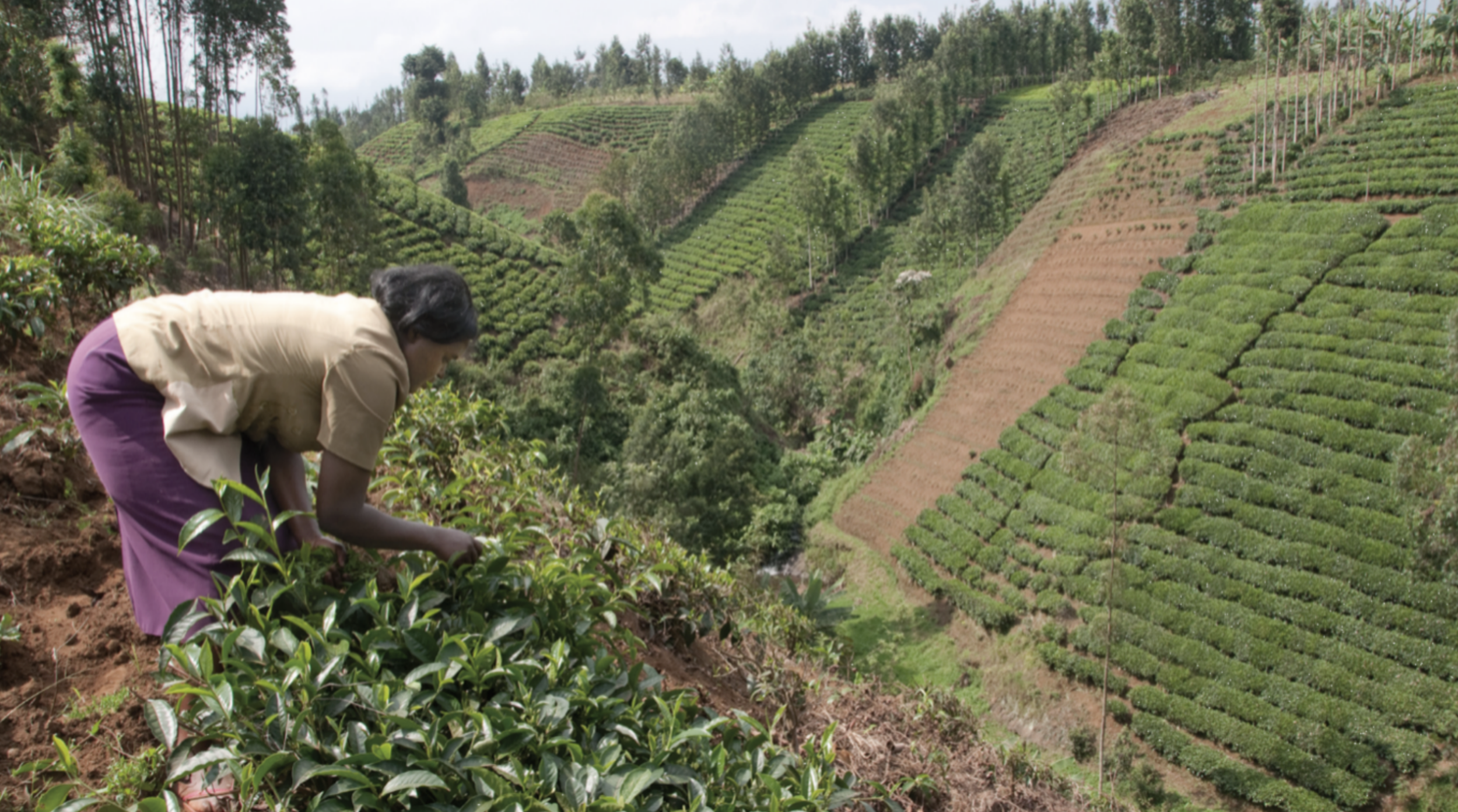
Farmers’ Perceptions and Their Effect on the Adoption of Digital Advisory Services in Butaleja District, Uganda
Authors:
Charles Mbogo Maina *1,3, JonathanMakau Nzuma1, Cecilia Nyawira Ritho1, Kelvin Mulungu2 and Menale Kassie3
1Department of Agricultural Economics, University of Nairobi, Kenya
2 InternationalMaize and Wheat Improvement Centre (cimmyt), Lusaka, Zambia
3 InternationalCentre of Insect Physiology and Ecology (icipe), Nairobi, Kenya
Contact: mkassie@icipe.org
ABSTRACT
Background: Public agricultural extension services have long been criticized for their ineffectiveness in providing customized agricultural information to farmers. One viable alternative to public extension services that have been recently identified is the use of digital advisory services (DAS). However, the literature on smallholder farmers’ perceptions of DAS remains relatively thin.
Research objective: This study evaluates smallholder farmers’ perceptions and their effects on the adoption of digital advisory services in Butaleja District, Uganda.
Methods: The study employed a multistage sampling technique to select 1,920 households in Butaleja District. An ordinary least square (OLS) regression model and a multivariate probit (MVP)model were used to estimate the drivers of smallholder farmers’ perceptions and their effects on the adoption of DAS, respectively.
Results (or expected results): The OLS estimates reveal that age, group membership, awareness, digital literacy, extension, and distance to the market were the most important drivers of perceptions of DAS. Results from the MVP model show that education, group membership, awareness, digital literacy, extension, farm size, and perceptions of DAS significantly influenced the adoption of DAS. Overall, the findings indicate that information access variables such as awareness, knowledge, education, and extension were the key drivers for both farmers' perceptions and their adoption of DAS.
Conclusion: The study concludes that agricultural extension policy initiatives should focus on increasing targeted training on DAS attributes, and their benefits as a pathway to increase extension coverage in Uganda.