
DAS Toolkit: Scaling Digital Advisory Services Through Community-Based Agents
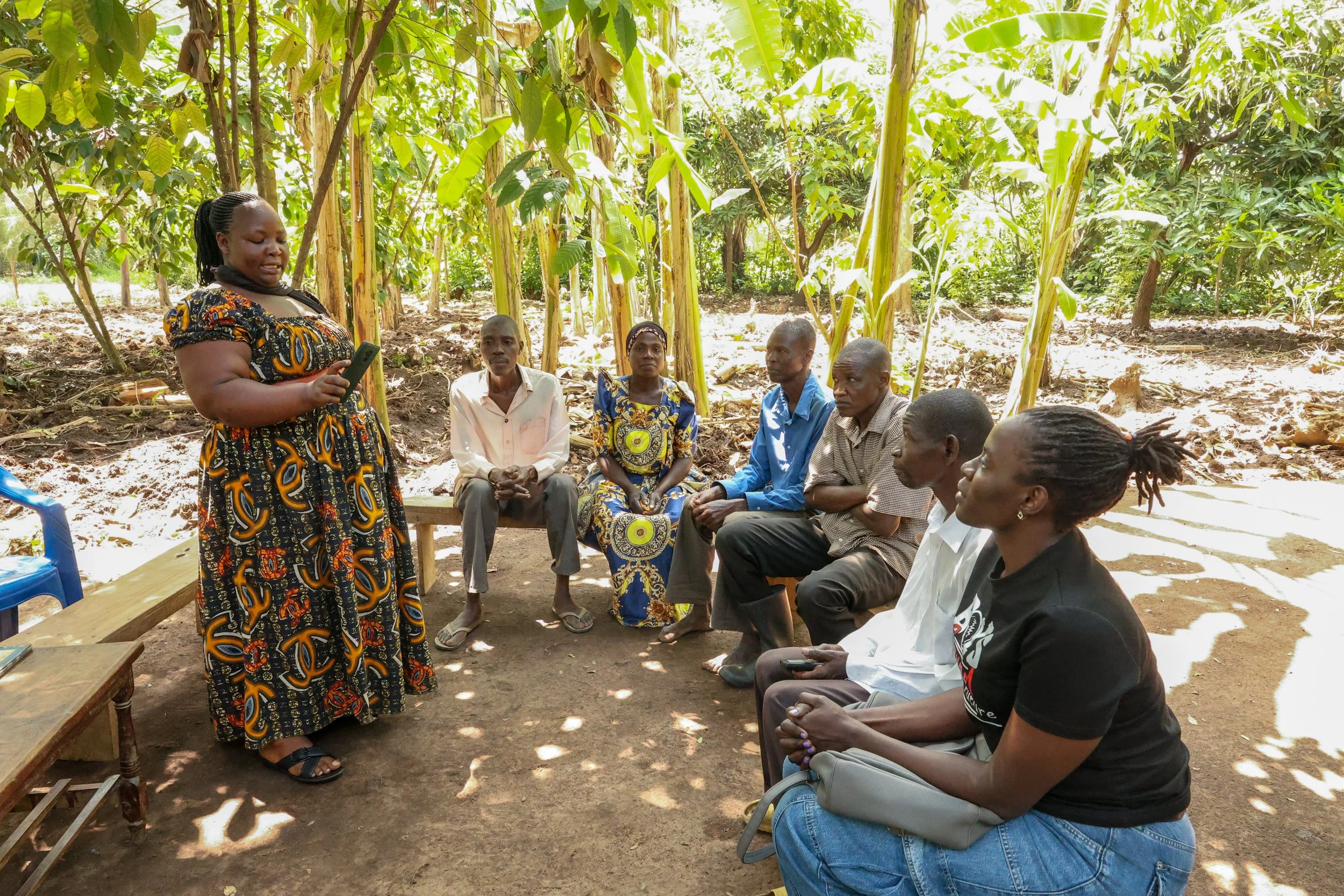
The DAS Toolkit, created by Grameen Foundation through the AgriPath Project, is a practical resource for organizations implementing Digital Advisory Services (DAS) to enhance agent networks, improve agricultural practices and resilience, and deliver sustainable, smartphone-based advisory services to smallholder farmers, especially women.
Why Is This Toolkit Needed?
500 million small-scale farmers produce 70% of food but face hunger and lack information.
DAS offers sustainable solutions, yet they reach few farmers, particularly women and youth.
Combining DAS implementation with Community-Based Agents (CBAs) is the fastest, most efficient, and scalable way to build long-term farming resilience.
Who Can Benefit From The Toolkit?
Organizations scaling smartphone-based DAS applications using CBAs.
Development funders, private sector stakeholders, and public sector DAS participants.
How To Use The Toolkit:
The Toolkit starts with an introduction, followed by six sections or phases. Users of this toolkit will be at different stages of implementing DAS solutions.
We recommend starting with the Overview to determine which specific tools will be best depending on your organization’s needs.
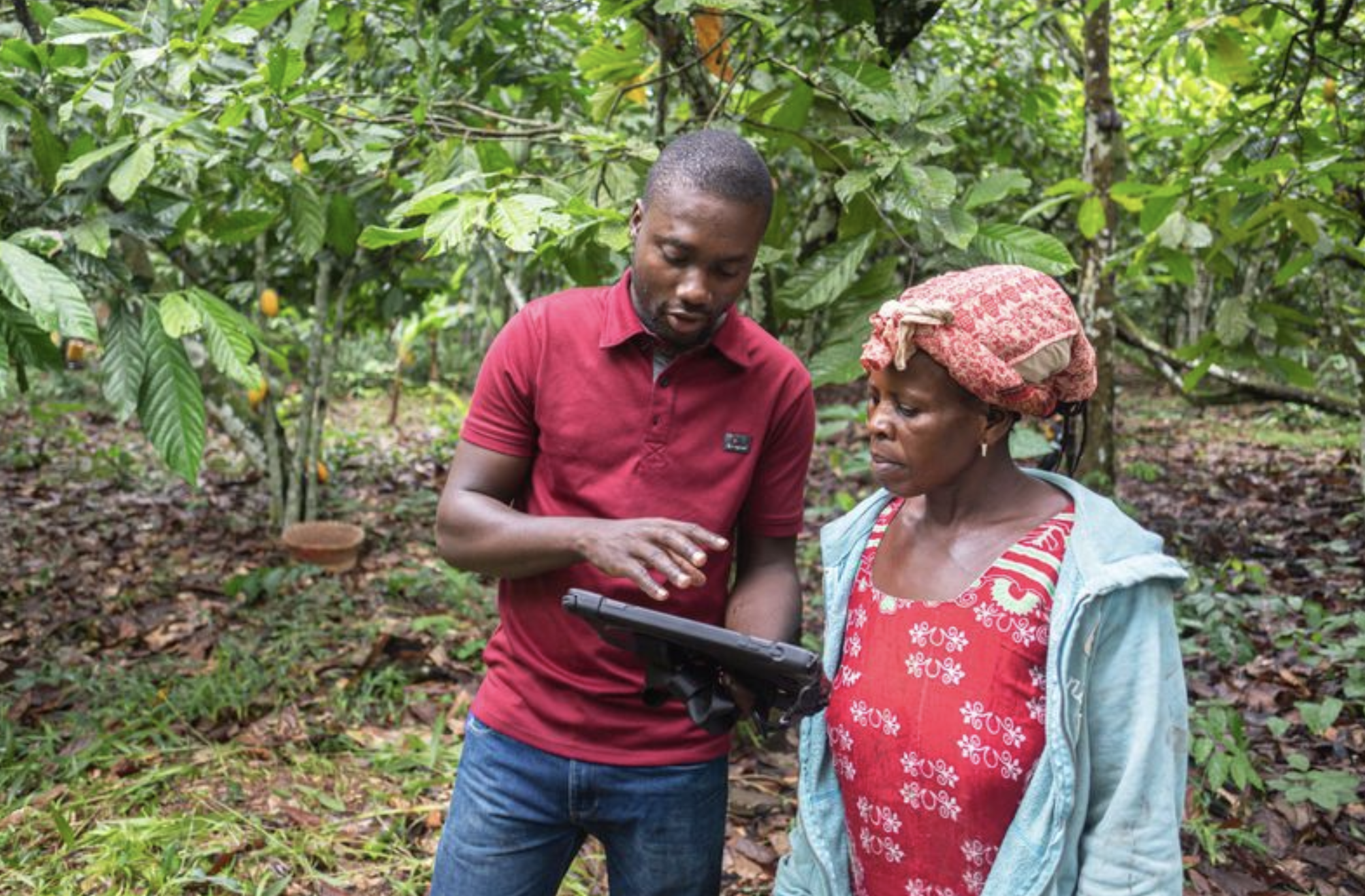
Toolkit Introduction
Why Community-Based Agents (CBAs)
This paper develops the rationale for scaling smartphone-based DAS applications through CBAs.

Phase 1: Understanding Your Digital Ecosystem
The Understanding Your Digital Ecosystem tools introduce DAS stakeholders to barriers and opportunities for scaling smartphone-based DAS applications and how to pursue public-private partnerships. Phase 1a tools focus on assessing the digital ecosystem and Phase 1b tools focus on how to pursue public-private partnerships.
1.a Introduction To Assessing Your Digital Ecosystem
Tool 1a.1 Digital Advisory Services (DAS) Ecosystem Desk Research Template
Tool 1a.2 National-level Mobile Connectivity Desk Research Template
Tool 1a.3 Mobile Phone Specifications Assessment
1b. Introduction to Private-Public Partnerships for Scaling Digital Advisory Services
1b.1 Memorandum of Understanding Template for Public-Private Partnerships
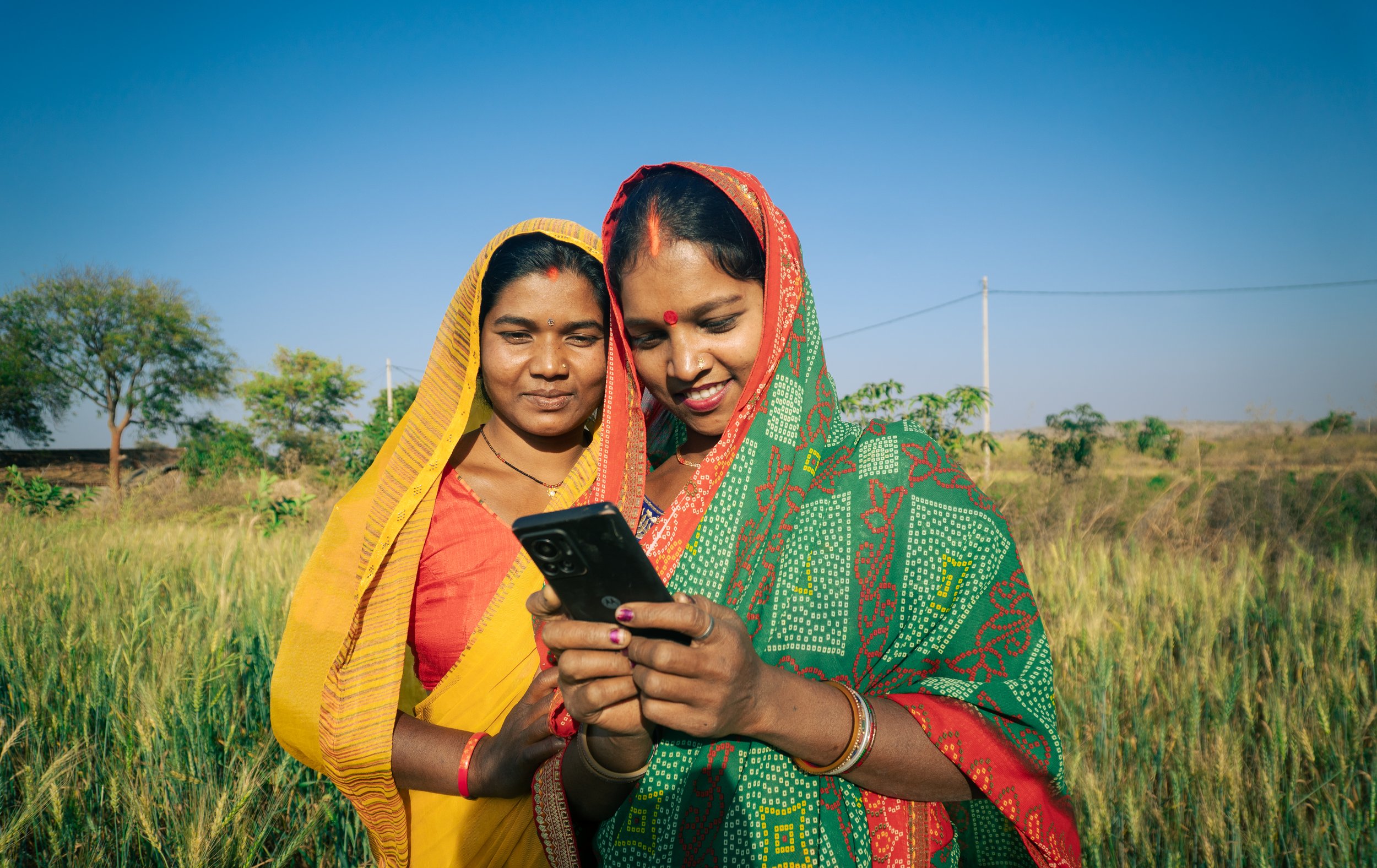
Phase 2: Building Scalable Digital Advisory Services Business Models
The Building Scalable DAS Business Models tools will provide structures to think through a CBA-inclusive DAS business model along with potential challenges and opportunities to which a DAS provider should anticipate and respond when building a scalable, sustainable business.
Introduction to Building Scalable Digital Advisory Services Business Models
2.1 DAS Solution Customer Journey Map
Tool 2.2 CBA Inclusive DAS Business Model Canvas Template
Tool 2.3 Value Proposition Canvas
Tool 2.4 SWOT Analysis Template DAS Business Model Canvas Template
Tool 2.5 Critical Assumptions Mapping Template
Tool 2.6 Total Addressable Market
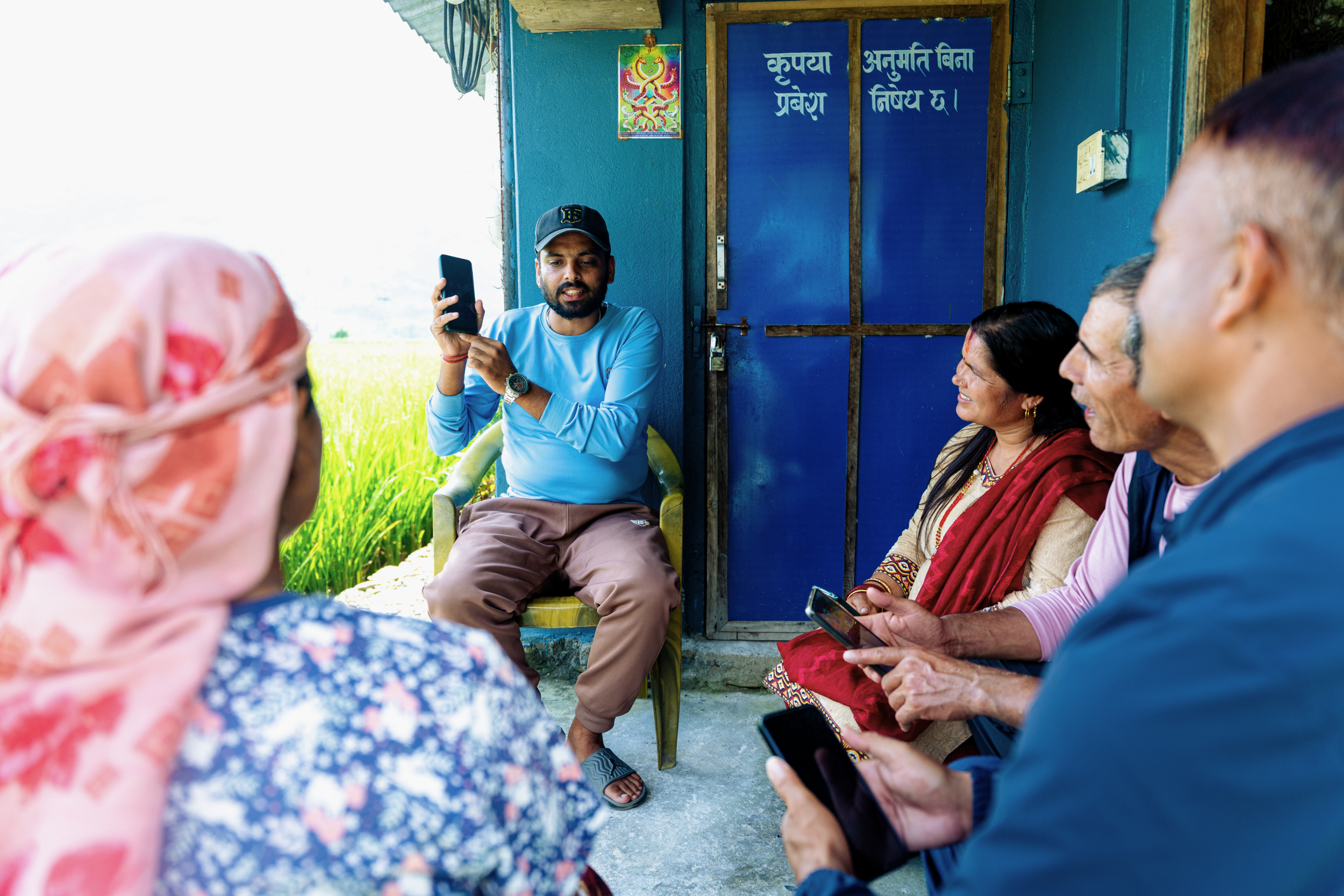
Phase 3: Identifying Existing Agent Networks
The Identifying Existing Agent Networks tools will introduce DAS stakeholders to possible existing agent networks and how to interview agent network organizations for best-fit partnerships for scaling smartphone-based DAS applications.
Introduction To Identifying Existing Community-Based Agent (CBA) Networks
Tool 3.1 Interview Guide For Landscaping Potential Community-Based Agent Networks
Phase 4: Recruiting And Incentivizing CBAs
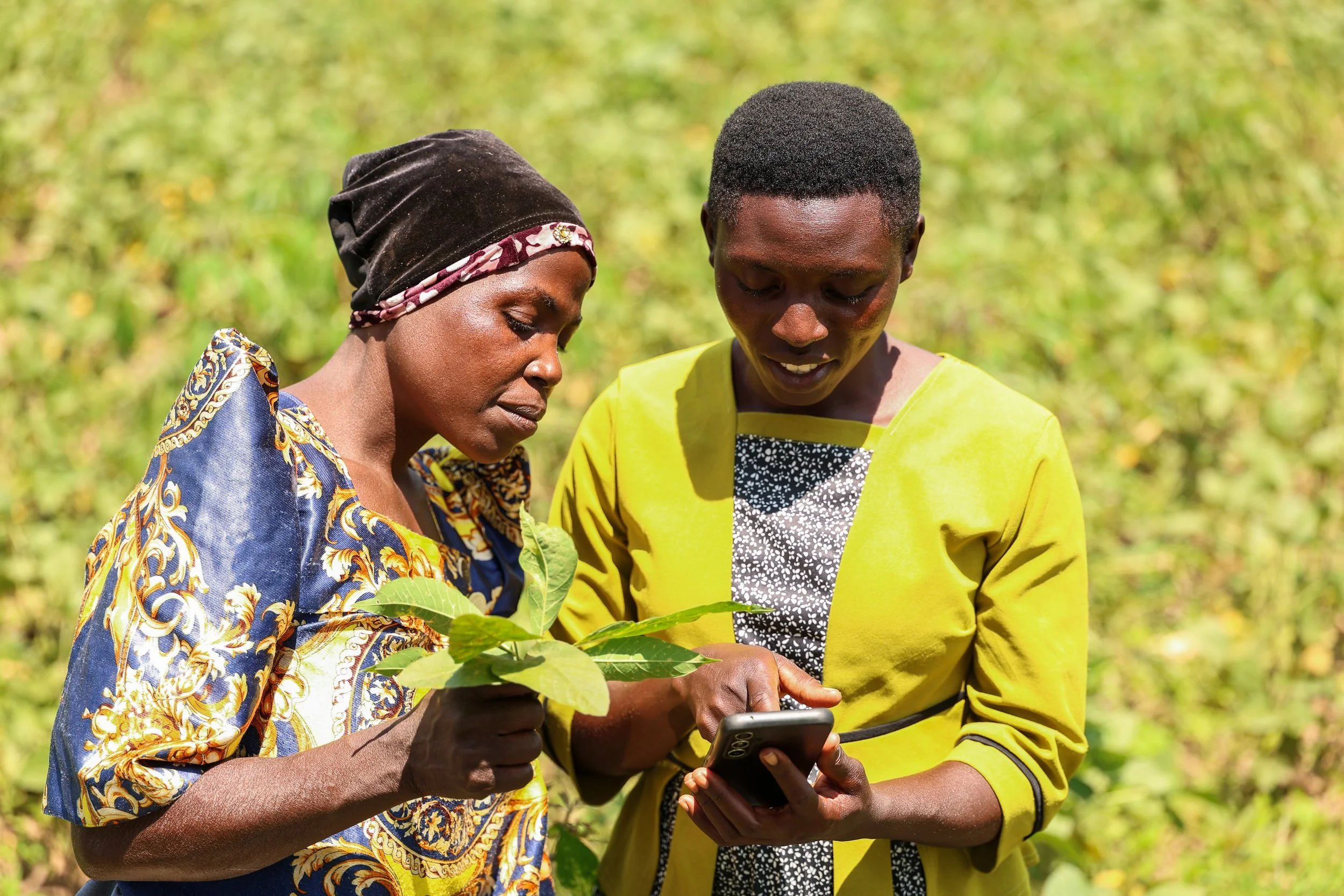
The Recruiting and Incentivizing CBAs tools will introduce DAS stakeholders to the important factors for recruiting CBAs, particularly women CBAs, and developing effective professional agreements with them.
Introduction To Recruiting And Incentivizing Community-Based Agents
Tool 4.1 CBA Profile Template
Tool 4.2 Female CBA Recruitment Journey Worksheet
Tool 4.3 Household_Community Dialogue To Support Female CBA Recruitment
Tool 4.4 CBA Position Description
Tool 4.5 CBA Interview Guide Template
Tool 4.6 CBA Position Agreement Template
Tool 4.7 CBA Code Of Conduct
Tool 4.8 CBA Compensation Package Template
Phase 5: Training CBAs
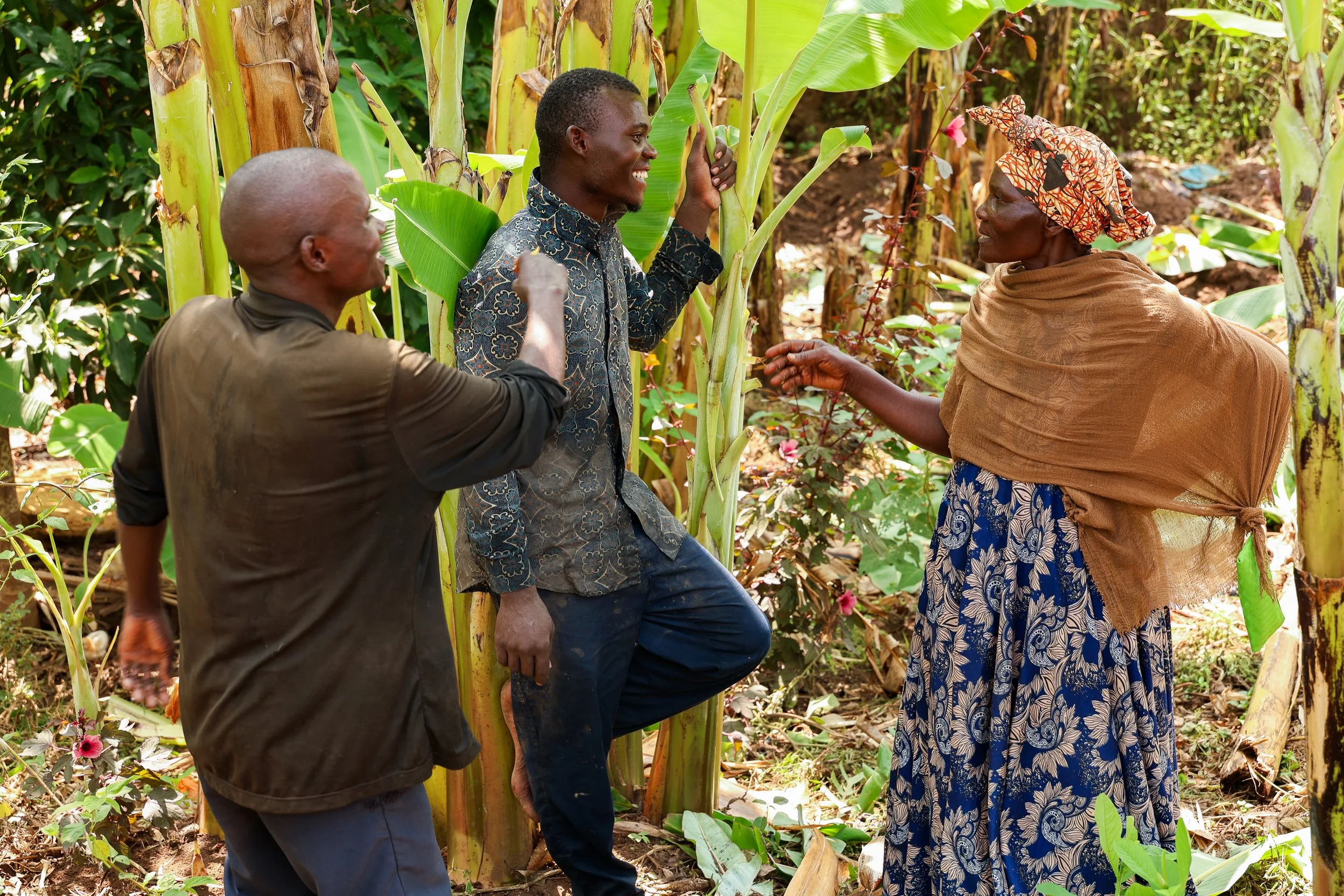
The Training CBA tools will introduce DAS stakeholders to resources for identifying training topics and training CBAs in content needed to be effective organizers, communicators, and community resources.
Phase 5 Introduction To Training CBAs
Tool 5.1 Learning Needs And Resources Assessments
Tool 5.2b CBA And Farmer Training Safeguarding Assessment Presentation
Tool 5.4 CBA Training Content Inventory Tool
Tool 5.2a CBA And Farmer Training Safeguarding Assessment
Tool 5.3 Training Planning Guide
Tool 5.5 From Voice To Choice A Training Manual For Gender Transformative ICT In Sustainable Land Management
Phase 6: Monitoring CBAs Performance
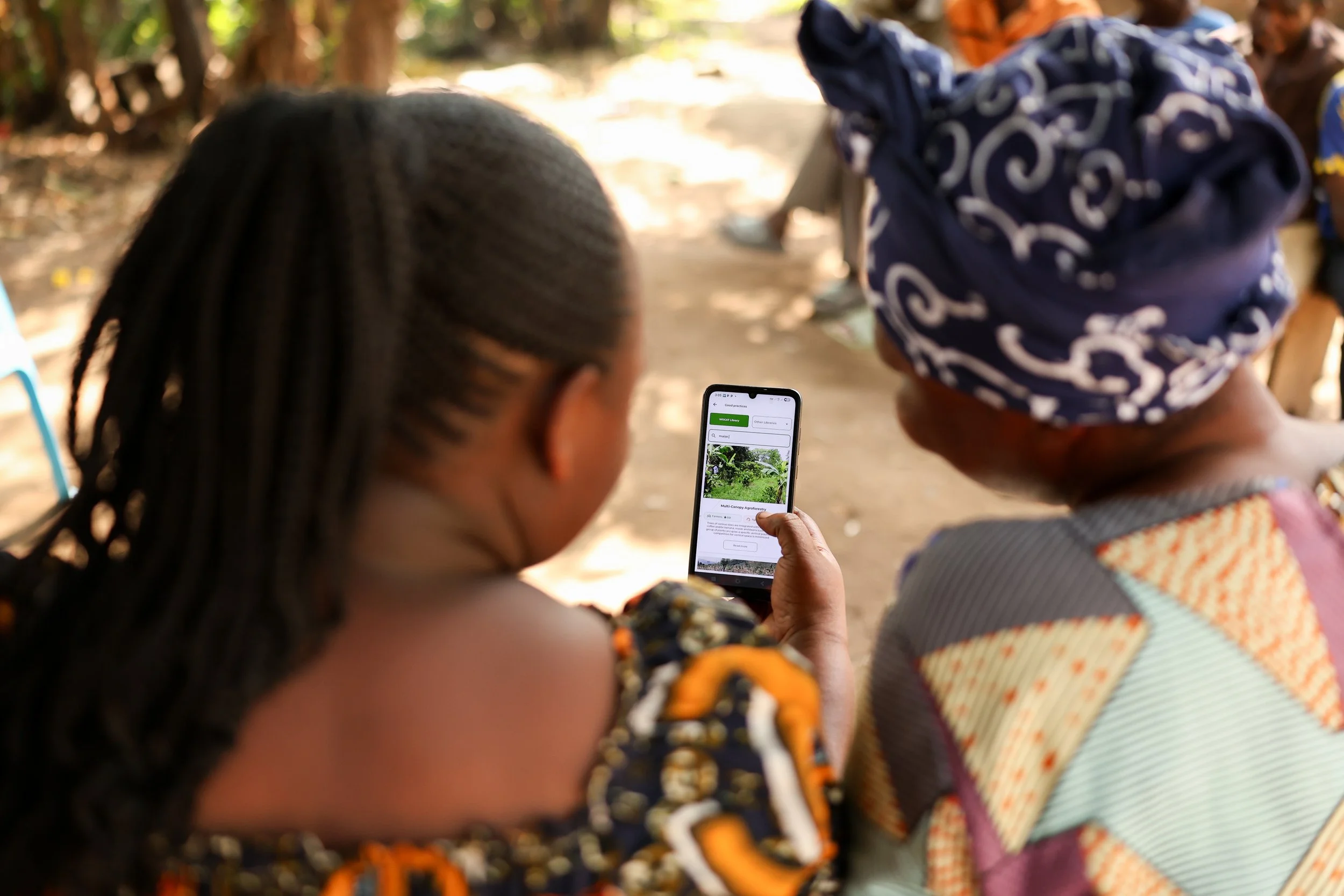
The Monitoring CBA Performance tools will introduce DAS stakeholders to a menu of quantitative and qualitative indicators needed to monitor and evaluate CBA performance.
Introduction To Monitoring CBA Performance
Tool 6.1 Key Performance Indicator Template For Monitoring CBA
Tool 6.2 Supervisor Assessment Of CBA Performance
Tool 6.3 Farmer Assessment Of CBA Performance